 Fred Helping Hands
Understanding the Differences Between Natural and Synthetic Mulches
In landscaping, choosing the right mulch can make a significant difference in plant health and garden aesthetics. Mulch serves several purposes: it helps retain soil moisture, suppresses weeds, and adds nutrients to the soil as it breaks down. However, not all mulch is created equal. Organic mulches, such as wood chips or straw, differ greatly from inorganic options like gravel or rubber. Each type has its benefits and drawbacks, which we will explore to help you decide which is best for your landscape.
The Benefits of Organic Mulch
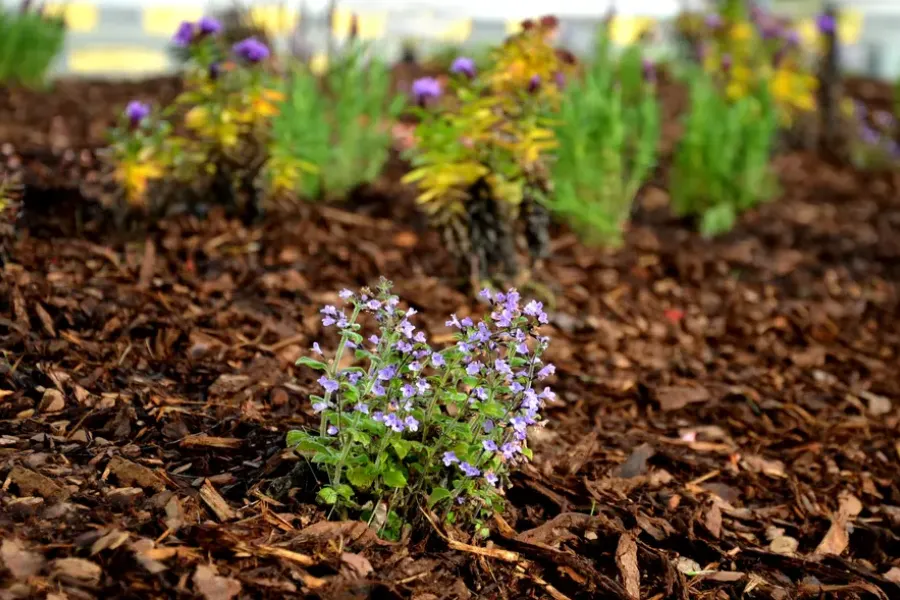
Organic mulch is made from natural materials that decompose over time, enriching the soil. One key advantage of using organic mulch is its ability to improve soil structure. As these materials break down, they add essential nutrients back into the earth. This decomposition process also encourages beneficial microbial activity in the soil. Moreover, organic mulch provides excellent insulation for plant roots during temperature fluctuations.
Advantages of Inorganic Mulch
In contrast, inorganic mulch consists of man-made or mined materials like rocks and rubber. These materials do not decompose, making them a durable option for long-term use without needing frequent replacement. An important feature of inorganic mulch is its ability to control erosion effectively. By securing soil in place, it prevents loss due to wind or rain. Additionally, inorganic mulch can be ideal for low-maintenance landscapes where infrequent upkeep is desired.
Main Drawbacks of Organic Mulch
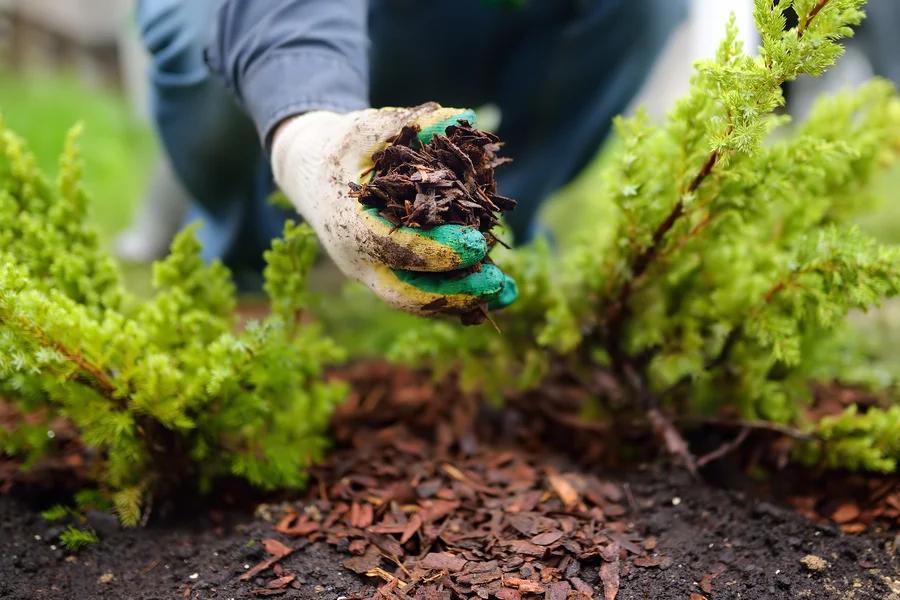
Despite its benefits, organic mulch requires regular replenishment as it decomposes and loses volume over time. This ongoing need for additional material can increase maintenance efforts and costs. Furthermore, certain types of organic mulches may attract pests if not properly managed. Maintaining an appropriate layer thickness is vital to avoid creating habitats for unwanted insects.
Challenges With Inorganic Mulch
While inorganic mulch offers durability, it does not contribute to soil fertility like its organic counterpart. Since these materials do not break down naturally, they provide no added nutrients to plants. Another concern with inorganic options is their potential to retain heat. This excess heat can stress plants during hot weather conditions. Strategic placement and consideration of surrounding plants are crucial when utilizing inorganic mulch in your garden.
Choosing the Right Mulch for Your Landscape
Your decision between organic and inorganic mulch should consider various factors specific to your garden’s needs. Consider your climate, landscape design preferences, and the level of maintenance you’re willing to undertake. For lush gardens requiring nutrient-rich soil, organic mulches might be the way to go. Alternatively, if you desire a more permanent solution with minimal upkeep, inorganic options could better suit your objectives.
Cost Considerations for Different Types of Mulch
The cost of mulch varies based on type and availability in your area. Organic mulches often have a lower initial cost but require frequent reapplication. Inorganic mulches may demand a higher upfront investment; however, they offer longevity without the need for continual replacement. To determine the best financial choice, weigh short-term expenses against long-term savings by considering both material cost and labor requirements.
Final Thoughts on Selecting Suitable Mulching Solutions
Selecting the right mulching solution involves careful evaluation of each option’s pros and cons tailored to your gardening goals. Based in Charlotte, NC, I specialize in helping homeowners choose optimal landscaping materials. Contact me at (980) 452-2223 for personalized advice on enhancing your outdoor spaces with effective mulching techniques. At Fred Helping Hands, I am committed to providing quality services that meet individual landscaping needs.