 Fred Helping Hands
The Impact of Nutrient Management on Green Spaces
Lush lawns are a source of pride for many homeowners. To achieve this, fertilizing plays a key role. However, understanding how to balance nutrient use is crucial. Proper management helps maintain a healthy lawn while minimizing environmental impact. This article explores how fertilizing affects both your grass and the environment. You will also learn best practices to ensure your gardening efforts are beneficial and sustainable.
The Role of Nutrients in Lawn Health
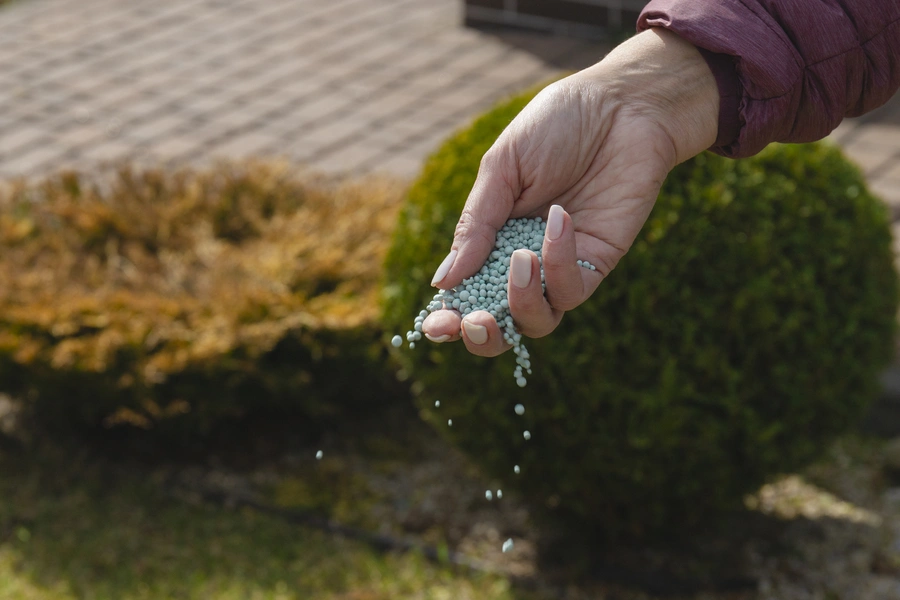
Your lawn needs nutrients like nitrogen, phosphorus, and potassium for growth. These nutrients help your grass stay green and strong. When you use products correctly, they enhance root development and resistance to pests. But it’s essential to understand that too much can cause harm, not only to your lawn but also to surrounding areas.
Environmental Concerns With Over-Fertilization
Overuse of fertilizers can lead to several environmental issues. Excess nutrients often end up washing into local waterways. This runoff contributes to algae blooms which deplete oxygen levels in water bodies. The result is unhealthy aquatic ecosystems. Awareness of these effects encourages more responsible lawn care practices.
How to Use Lawn Fertilizing Responsibly
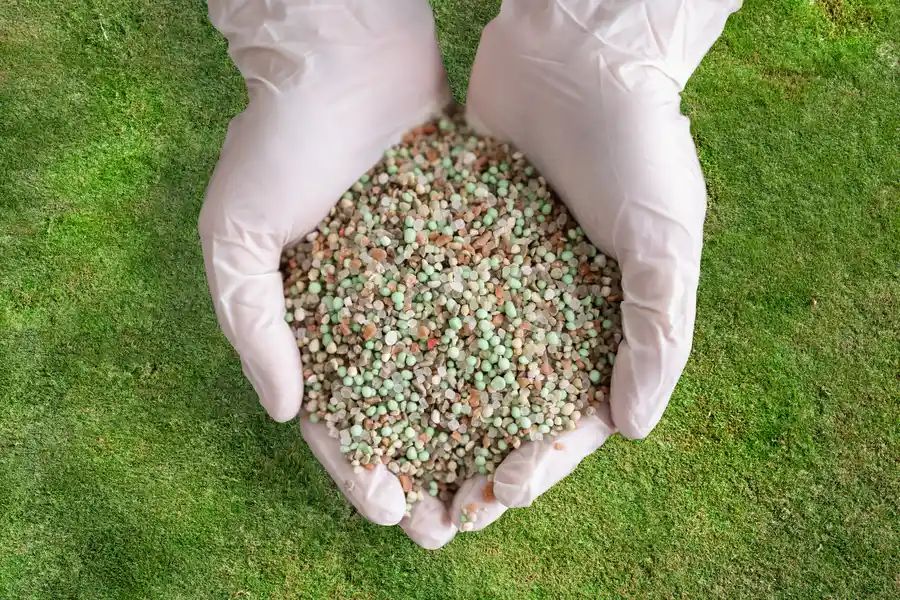
To get the most from your lawn fertilizing efforts, follow these guidelines:
- Test soil to understand its nutrient needs before applying any product
- Choose slow-release fertilizers to minimize runoff risks
- Apply products during periods of active plant growth for best absorption
- Avoid fertilizing before heavy rain forecasts
These practices help ensure that your lawn gets what it needs without harming the environment.
Benefits of Balanced Fertilization
When done correctly, fertilization supports robust grass health. It improves color, thickness, and tolerance against diseases. A well-maintained lawn also offers cooling benefits and reduces erosion by stabilizing soil with deep roots.
Common Missteps in Lawn Care
Many people mistakenly apply fertilizer without considering their lawn’s specific needs. Others neglect timing and frequency, leading to wasted resources and potential lawn damage. Being informed about these common missteps prevents costly mistakes and promotes effective care.
Expert Tips for Optimal Results
Experts recommend monitoring weather patterns closely. Apply nutrients in early morning or late afternoon when evaporation rates are lower. Also, consider organic alternatives that provide long-term benefits without chemical residues.
The Cost Factor in Maintaining Healthy Lawns
The expenses related to maintaining a lawn include product costs and time investment. However, efficient practices reduce unnecessary spending. By choosing the right type and amount of product, homeowners save money while achieving desired results.
Taking Steps Toward Better Lawn Care Practices
Caring for your lawn doesn’t have to be difficult or harmful to the environment. By following recommended guidelines and remaining aware of impacts, your lawn will thrive sustainably. If you want expert advice or services, contact me at (980) 452-2223. Located in Charlotte, NC, I specialize in environmentally conscious techniques with Fred Helping Hands. Let’s work together to promote healthier green spaces.