 Fred Helping Hands
Boosting Your Garden’s Appearance and Health
When you want to improve your garden, you may not think about the simple addition of mulch. Adding mulch can transform how your garden looks while also helping your plants grow better. It’s a small change with big benefits for plant health. Whether you’re looking to impress neighbors or just love seeing a lush garden every day, understanding how this process works is worth your time.
The Visual Impact on Your Landscape
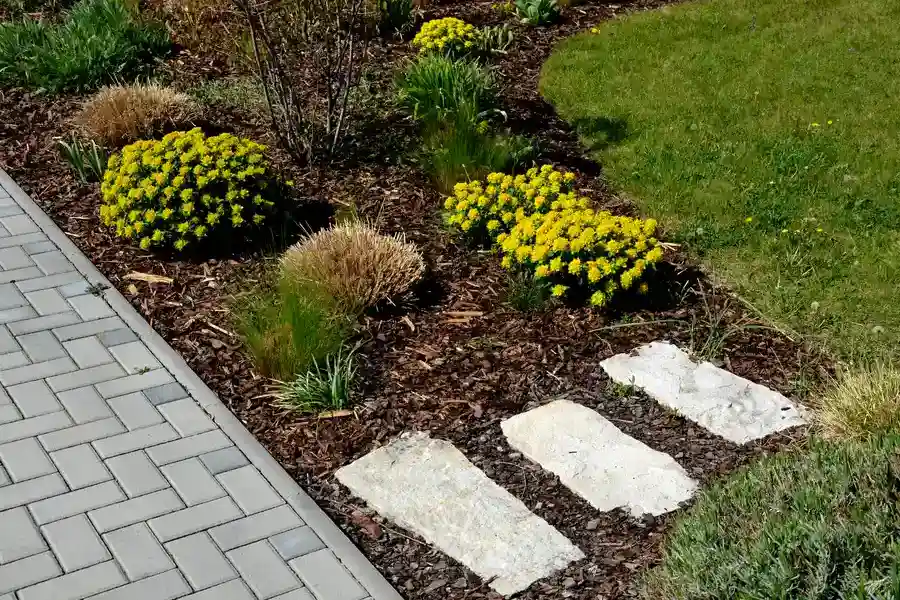
Adding mulch to your garden can make it look polished and tidy. The different colors and textures of mulch add contrast and depth to your flower beds. This helps highlight the vibrant colors of flowers and greenery. It’s like giving your garden a fresh coat of paint, making everything stand out more beautifully.
Soil Moisture and Temperature Control
One key benefit of mulching is its ability to retain soil moisture. It acts as a barrier against the sun, reducing evaporation rates significantly. This means that less water is needed to keep plants hydrated, which is especially useful during hot weather months. Also, mulching helps regulate soil temperature by keeping it warmer in winter and cooler in summer, offering plants a stable environment.
Weed Suppression for Easier Maintenance
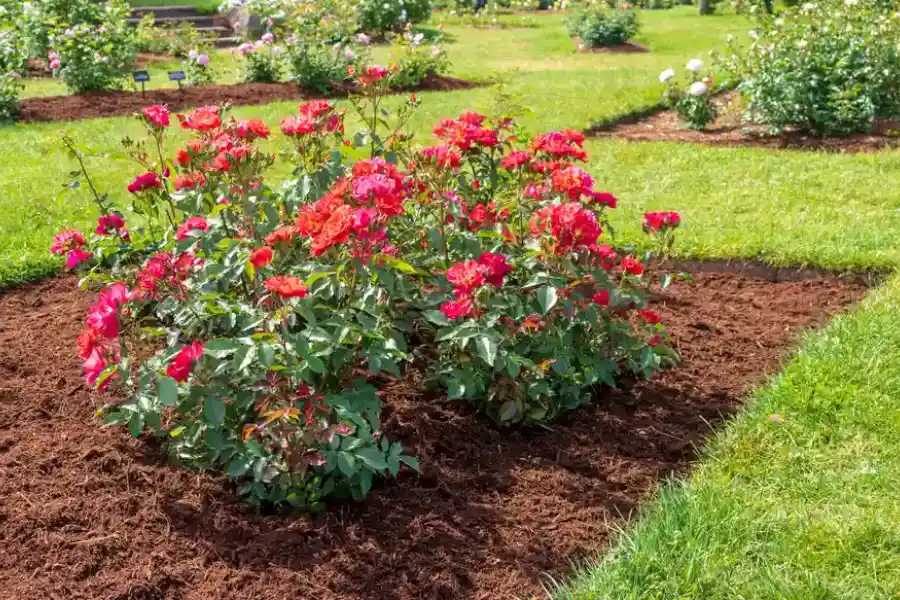
No one enjoys weeding, but mulch makes this task easier by suppressing weed growth. By blocking sunlight from reaching the soil, mulch prevents weed seeds from germinating. This results in fewer weeds popping up in your garden, saving you both time and effort throughout the growing season.
Nutrient Enrichment for Healthier Plants
As organic mulch breaks down, it enriches the soil with essential nutrients. This natural process improves soil fertility over time without the need for chemical fertilizers. With healthier soil, plants grow stronger and produce more blooms, enhancing the overall beauty of your landscape.
Types of Mulch to Consider
Choosing the right type of mulch depends on your specific needs and preferences. Here are some common types:
- Bark mulch: Long-lasting and good for decoration
- Compost: Great for enriching soil with nutrients
- Wood chips: Affordable and effective at weed control
- Pine straw: Lightweight and easy to spread
Environmental Benefits Beyond the Garden
Mulching provides environmental benefits beyond improving your garden’s appearance. It reduces waste by using recycled materials like wood chips or leaves, and it helps reduce erosion by holding soil in place during rainstorms. Additionally, since mulch keeps moisture in the soil, it supports water conservation efforts by lowering the amount needed for plant watering.
Your Next Steps Towards a Thriving Garden
If you’re ready to enhance your garden’s curb appeal and plant growth, consider incorporating these tips into your routine. Start by selecting the right mulch type for your garden’s needs and applying it evenly across your flower beds. Regularly check the thickness and replenish as needed to maintain its effectiveness. To further explore how these strategies can benefit you, contact Fred Helping Hands at (980) 452-2223. Located in Charlotte, NC, I am dedicated to providing expert guidance tailored to your gardening goals.